About Senneh Knot
Baltimore’s rug sourcesince 1987.
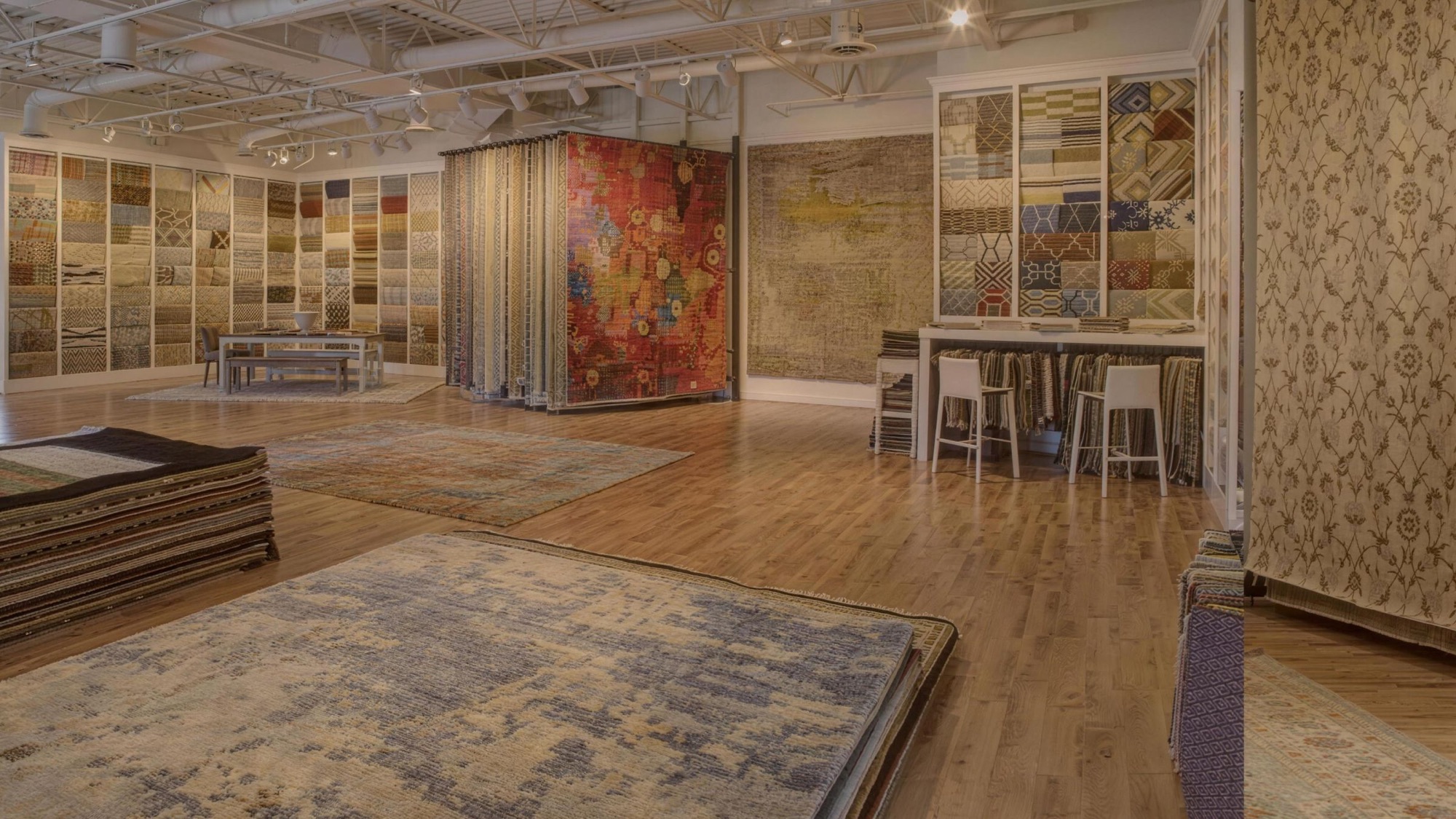
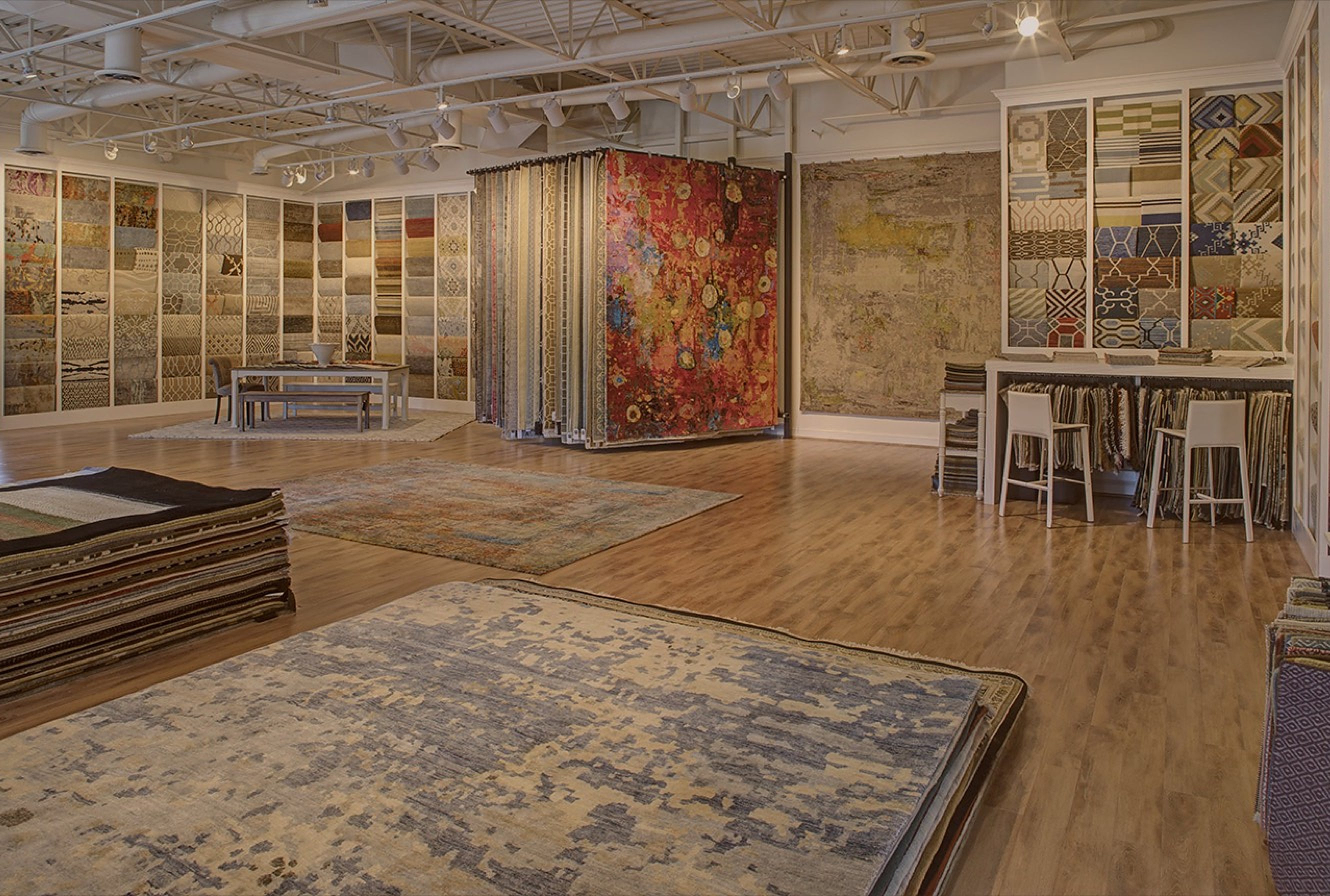
For 39 years we have brought rugs to Baltimore and the Washington metro area directly from the countries where they are woven.
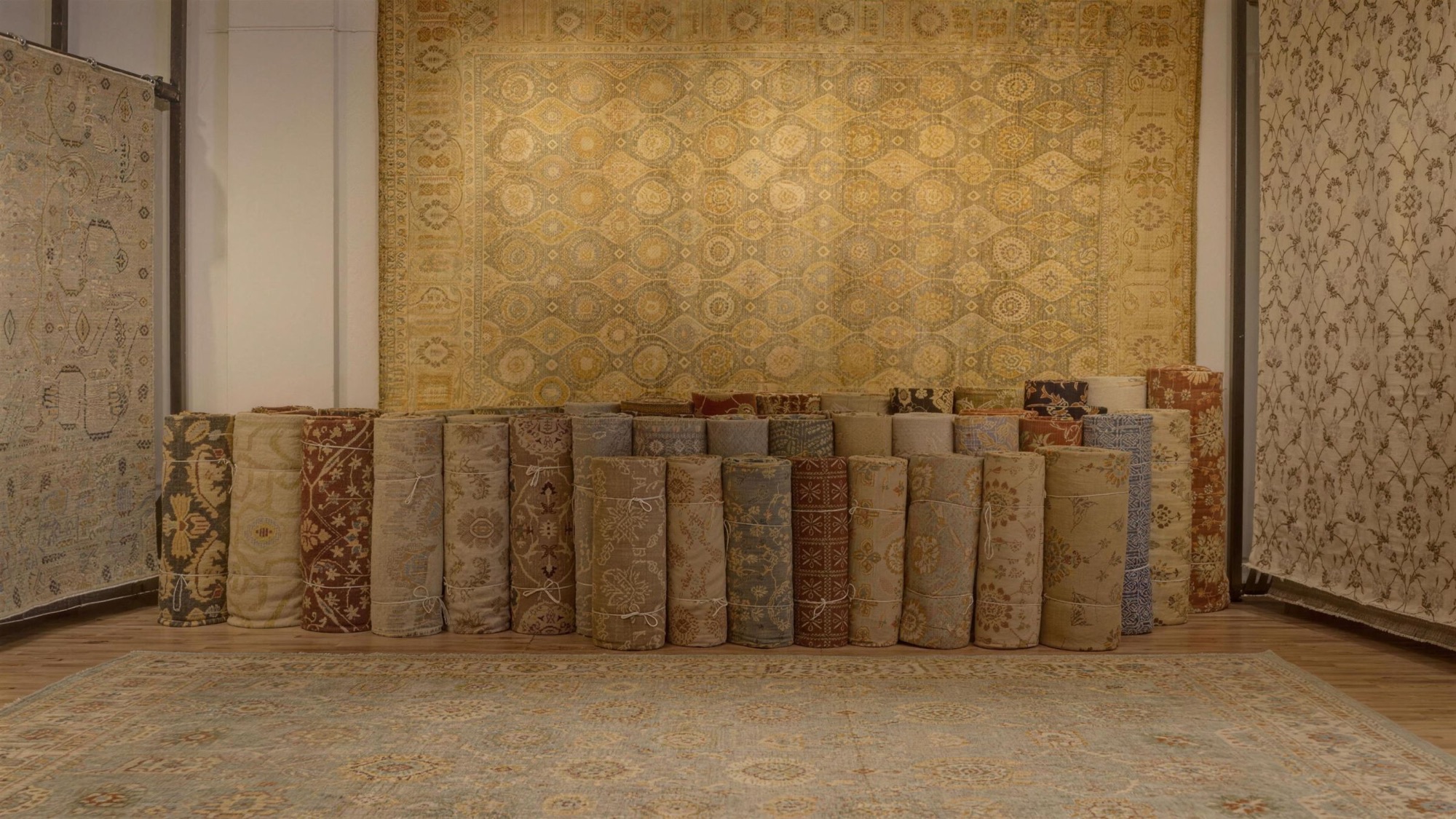
We bypass the middle-man and pass the savings on. And we take the most pride in the selection itself: traditional classics, vegetable-dyed vintage pieces, old-world Agras, arts and crafts, tribal rugs, and wool and wool-and-silk transitional rugs from Nepal.
Where our rugs are woven
Seven countries,
one floor.
Bought from the weavers themselves, not through a wholesaler.
- Iran
- Pakistan
- India
- China
- Turkey
- Afghanistan
- Nepal
- 1987
- The year we began
- 2
- Maryland showrooms
- 2,033
- Rugs and designs in the catalogue
- 87
- Collections
- 7
- Countries woven in
What makes a rug worth buying
Chosen for what
it’s made of.
- 01
Knots and design
Quality is judged by the intricacy of the design, the number and type of knots, the nature of the fibres, and the quality and kind of dyes.
- 02
Thirty years of weavers
Over thirty years we have built lasting relationships with the very best rug weavers around the world.
- 03
Sizes others cannot get
Those ties let us order custom and unusual sizes that cannot easily be had anywhere else: from 2 × 3 feet to 14 × 24 feet and larger.
- 04
No one size fits all
That is why we keep the most diversified selection of rugs we can assemble in one place.
Anatomy of a rug
What a rug is made of.
One rug from our floor, and what it is made of. Choose a part, or separate the layers.
- Rug
- Agra Burgundy
- Number
- 10048
- Size
- 4′1″ × 5′8″
A simplified construction study: the pile you walk on, the knots that hold it, the foundation they are tied to.
The centre of this rug, up close. The pile is clipped level once every row of knots is tied. Move the lens to look closer.
Drag the lens, or focus it and use the arrow keys.
Turn the rug over and its whole design is there again, reversed, as a grid of individual knots. The back is where hand knotting shows most plainly.
Every knot is tied by hand around the foundation threads, one at a time, row after row, and the design grows upward from them. One way of tying it, the asymmetric knot, is known as the Senneh knot, after the town now called Sanandaj, in western Iran. It is where our name comes from.